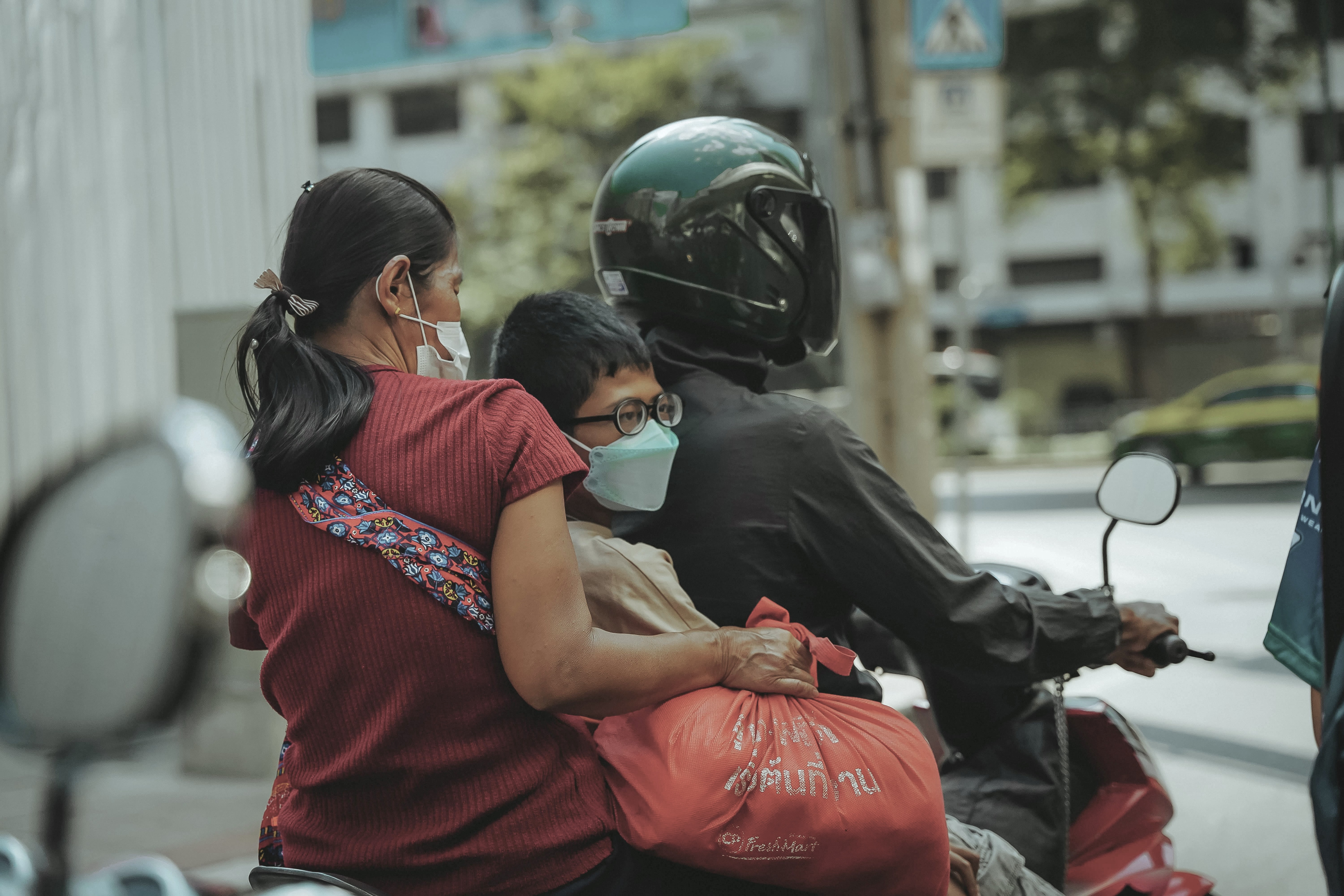
“เปิดไฟใส่หมวก” เป็นสโลแกนการรณรงค์ของบริษัท เอ.พี. ฮอนด้า จำกัด (ปัจจุบันคือบริษัท ไทยฮอนด้า จำกัด) เพื่อสนับสนุนนโยบายภาครัฐเมื่อปี 2547 กว่า 20 ปีจากวันนั้นถึงวันนี้จักรยานยนต์ทุกคัน เปิด ไฟหน้าอัตโนมัติทันทีที่เริ่มใช้งาน เอ.พี. ฮอนด้าไม่ได้ถูกบังคับให้ทำเช่นนั้น แต่เป็นผลจากความสมัครใจและการรับรู้คุณค่าของการเปิดไฟหน้าต่อการลดอุบัติภัยบนถนน ความสมัครใจและการรับรู้เป็นไปผ่านกระบวนการมีส่วนร่วมอย่างเท่าเทียมในเวทีถนนปลอดภัยที่รัฐสร้างขึ้นและดำเนินการภายใต้การนำทางการเมืองที่เด่นชัดกระฉับกระเฉงในเวลานั้น การมีส่วนร่วมนี้ประกอบด้วยสามองค์ประกอบสำคัญได้แก่ (1) การเป็นผู้แทนที่ชอบธรรมของแต่ละภาคี (2) การมีสิทธิ์มีเสียงอย่างเท่าเทียม (3) การเรียนรู้และร่วมกันตัดสินใจลงมือกระทำผ่านความรับรู้ทางเลือกเพื่อบรรลุเป้าหมายที่เห็นพ้องร่วมกัน นอกจากนี้ การประชุมสม่ำเสมอทุกเดือนช่วยกระชับความสัมพันธ์ระหว่างฝ่ายต่าง ๆ
ความยั่งยืนของการเปิดไฟหน้าจักรยานยนต์เป็นผลจากการเปลี่ยนคุณสมบัติของรถจักรยานยนต์ให้ไฟหน้าทำงานโดยอัตโนมัติ โดยผู้ผลิตได้รับรู้การขานรับนโยบายของชุมชนผู้ใช้จักรยานยนต์ทั่วประเทศในช่วงรณรงค์ด้วยการดัดแปลงจักรยานยนต์ให้เปิดไฟหน้าผ่านความช่วยเหลือของนักเรียนอาชีวศึกษา มองในมุมธุรกิจ นี่คือแรงจูงใจและสัญญาณว่าตลาดยอมรับการเปิดไฟหน้า ผู้ผลิตจึงปรับเปลี่ยนรูปแบบการผลิตโดยสมัครใจ
อย่างไรก็ตาม การสวมหมวกนิรภัยอันเป็นส่วนหนึ่งของสโลแกนไม่ได้รับการตอบสนองจากวันนั้นถึงวันนี้ 20 กว่าปีผู้ใช้จักรยานยนต์ไม่เกินครึ่งหนึ่งเท่านั้นที่สวมหมวกนิรภัย ยกเว้นบางพื้นที่ เช่นกรุงเทพมหานคร ที่เป็นเช่นนี้ย่อมบ่งชี้ว่าลำพังการรณรงค์ทางสื่อหรือการให้ความรู้ในรูปแบบอื่นได้ผลจำกัด และการบังคับใช้กฎหมายสวมหมวกนิรภัยไม่ได้เข้มข้นต่อเนื่อง ซึ่งอาจจะเป็นผลมาจากหลายปัจจัยที่เกี่ยวโยงกัน เช่น การกระจายกำลังตำรวจไม่สมดุลกับภาระงานในพื้นที่รับผิดชอบ จึงเข้าใจได้ชัดเจนว่า กรุงเทพมหานครซึ่งมีกำลังตำรวจกระจุกตัวมากที่สุดในประเทศสามารถบังคับใช้กฎหมายสวมหมวกนิรภัยได้มากกว่าในภูมิภาคถึง 87 เท่า1 นอกจากด้านกำลังคน การจัดสรรทรัพยากรอื่นเพื่อภารกิจด้านจราจรก็อาจจะไม่สมดุลกับภาระงาน และเชื่อมโยงไปถึงการขาดนวัตกรรมในการดำเนินงานภายใต้ทรัพยากรจำกัด
ถ้าหวังให้เกิดสมดุลกำลังคนและทรัพยากรกับภาระงานจราจรอาจเป็นความฝันริบหรี่ เพราะภาวะด้อยสมดุลนี้เป็นมาช้านาน สอดคล้องกับคำกล่าวของตำรวจชั้นผู้ใหญ่คนหนึ่งเมื่อนานมาแล้ว... “งานจราจร เป็นลูกเมียน้อย”
ทว่า ความสำเร็จอย่างก้าวกระโดดกรณีเปิดไฟหน้าจักรยานยนต์ให้ความหวังว่ากระบวนการมีส่วนร่วมที่เหมาะสมเป็นแนวทางที่น่าพิจารณา ซึ่งขยายผลไปสู่พฤติกรรมขับขี่ปลอดภัยและโครงสร้างถนนปลอดภัย แม้ว่าในทางวิชาการ หลักฐานเชิงประจักษ์สำหรับสัมฤทธิผลของแนวทางนี้ในบริบทประเทศกำลังพัฒนายังคลุมเครือและจำกัด2,3
สำหรับการแก้ปัญหาสาธารณสุขที่มีความซับซ้อน กระบวนการมีส่วนร่วมที่เหมาะสมได้รับการพิสูจน์ด้วยการวิจัยเชิงทดลองเปรียบเทียบก่อน–หลัง พบว่าในชนบทประเทศเคนย่า อันเป็นดินแดนยากจน เต็มไปด้วยความขัดแย้งในชุมชน ครัวเรือนตั้งถิ่นฐานกระจัดกระจายบนพื้นที่กว้างใหญ่ เดินทางยากลำบาก และประชาชนมีการเคลื่อนย้ายสูงเพื่อทำมาหากินชั่วคราว โดยสองปีหลังจากดำเนินกระบวนการมีส่วนร่วม สามารถเพิ่มการเข้าถึงการรักษาภาวะเปลือกตาติดเชื้อคลามิเดียที่อาจลุกลามจนทำลายกระจกตา (Trachoma) ลงเอยด้วยการเพิ่มสัดส่วนผู้ป่วยได้รับยารักษาจากร้อยละ 72 เป็นร้อยละ 934 ซึ่งกระบวนการมีส่วนร่วมของชุมชนเป้าหมาย บุคลากรสาธารณสุข และผู้มีส่วนได้เสียอื่นๆ นี้ เผยให้เห็นอุปสรรคการเข้าถึงยาในอดีตและแนวทางฟันฝ่าอุปสรรค ตามด้วยการทดลองในพื้นที่จำกัดก่อนขยายผลครอบคลุมชุมชนเป้าหมายทั้งหมด
ประสบการณ์ส่วนตัวของผู้เขียน พบว่า เมื่อสามสิบปีก่อน หมู่บ้านชานเมืองขอนแก่น มีตัวหนอนหรือลูกระนาด (Speed bump) ตลอดแนวถนนในหมู่บ้าน กระแสจราจรเลยเชื่องช้าชัดเจน ผมถามชาวบ้านได้ความว่า ตัวหนอนมีไว้เพื่อให้คนแก่นอนหลับ ไม่ถูกรบกวนจากเสียงดังของรถ โดยเฉพาะจากท่อไอเสีย (ส่วนใหญ่คือจักรยานยนต์) ตัวอย่างนี้สะท้อนว่า จงใจให้เกิดอย่างหนึ่ง กลับได้ผลดีที่คาดหวังและไม่คาดหวังตามมา สี่สิบปีก่อน ระหว่างเดินในหมู่บ้านแถวนครปฐม ได้ยินเสียงพระพูดเสียงดังฟังชัดผ่านลำโพงตำหนิ/ประจานคนซิ่งรถจักรยานยนต์ (ส่วนใหญ่คือวัยรุ่น) ตามถนนในหมู่บ้าน เท่าที่เห็นดูได้ผลอย่างน้อยชั่วคราว
นวัตกรรมชุมชนทั้งสองดังกล่าว สะท้อนความเป็นจริงเกี่ยวกับคุณสมบัติของระบบซับซ้อนปรับตัวได้(Complex adaptive systems) นั่นคือ ศักยภาพในการจัดระเบียบตัวเอง (Self-organizing properties) ดังนั้น หากชุมชนได้รับการส่งเสริมสนับสนุนจากปัจจัยภายนอกย่อมมีโอกาสขยายผลด้วยหลักฐานเชิงประจักษ์ในทางวิชาการ ใช่หรือไม่ ?
“Turn on the light, wear a helmet” was the campaign slogan used by A.P. Honda Co., Ltd. (Presently, Thai Honda Manufacturing Co., Ltd.) to support a government policy in 2004. For more than 20 years since then, every motorcycle has turned on its day-time headlight automatically as soon as it is started. A.P. Honda was not forced to do this; it came from the company’s own willingness and its recognition of the value of turning on headlights for reducing road crashes. This willingness and recognition emerged through an equitable participatory process in the road safety forum created and run by the state, under strong and active political leadership at that time. This participation consisted of three key elements: legitimate representation of each party, equal rights to voice opinions, and joint learning and decision making, followed by action based on shared understanding and options agreed as common goals. Regular monthly meetings also helped strengthen relationships between the parties.
The sustainability of turning on motorcycle headlights resulted from manufacturers changing motorcycle specifications so that the headlights work automatically, after they had become aware of the community response nationwide during the campaign, when motorcycles were modified so the headlights turned on with help from vocational students. From a business perspective, this was both an incentive and a market signal that headlight use was accepted. Manufacturers therefore voluntarily changed the specifications.
However, the helmet wearing part of the slogan has not received such a response. In the more than 20 years since then, no more than half of motorcycle users wear helmets, except in some areas such as Bangkok. This clearly shows that media campaigns or other forms of education alone have limited effect, and that the enforcement of helmet laws has not been consistently strict. This may result from several interrelated factors, such as an imbalance between the number of police officers and their workload in their areas of responsibility, which explains why Bangkok, where police forces are the most concentrated in the country, can enforce helmet laws 87 times more than the regions.1 In addition to manpower, the allocation of other resources for traffic duties may also be out of balance with the workload and linked to a lack of innovation in operations under limited resources.
Hoping for a balance between manpower and resources and traffic workload may be just a faint dream, because this imbalance has existed for a long time, in line with what a senior police officer said long ago... “Traffic work is the stepchild.”
Nevertheless, the dramatic success in the case of motorcycle headlights gives hope that an appropriate participatory process is a promising approach to extend to safe driving behaviours and safe road infrastructure, even though, academically, empirical evidence of the effectiveness of this approach in developing country contexts is still unclear and limited.2,3
For solving complex public health problems, however, appropriate participatory processes have been proven by experimental research. In rural Kenya—a poor land full of community conflicts, with households scattered over vast areas, difficult travel, and people moving temporarily in search of work; two years after the participatory process was implemented, there was increase in accessibility to treatment for trachoma, an eye infection caused by chlamydia that can progress to corneal damage with the proportion of patients receiving medicine rose from 72 percent to 93 percent.4 The participatory process involving the target communities, health personnel, and other stakeholders revealed previous barriers to accessing medicines, ways to overcome those barriers, and then tested these solutions in limited areas before scaling up to cover all target communities.
From the writer’s personal experience, thirty years ago in a suburban village of Khon Kaen, there were speed bumps all along the village road, so traffic clearly moved slowly. Asking the villagers, the answer was that the bumps were there so the elderly could sleep without being disturbed by loud vehicle noise, especially from exhaust pipes (mostly from motorcycles). This example reflects how deliberately creating one effect can yield both expected and unexpected benefits. Forty years ago, while walking in a village near Nakhon Pathom, the writer heard a monk speaking loudly and clearly through a loudspeaker, scolding/shaming people speeding on motorcycles (mostly teenagers) on village roads. From what was seen, it seemed effective, at least temporarily.
Both of these community innovations reflect the reality of the characteristics of complex adaptive systems, which is their capacity for self organization. If communities receive encouragement and support from external factors, they should have the opportunity to scale up their results and generate empirical evidence in academia, should they not?
References
- Suriyawongpaisa P, Thakkinstian A, Rangpueng A, Jiwattanakulpaisarn P, Techakamolsuk P. Disparity in motorcycle helmet use in Thailand. Int J Equity Health. 2013 Aug 30;12(1):74. link
- Tavakkoli M, Torkashvand-Khah Z, Fink G, Takian A, Kuenzli N, de Savigny D, et al. Evidence From the Decade of Action for Road Safety: A Systematic Review of the Effectiveness of Interventions in Low and Middle-Income Countries. Public Health Rev. 2022 Feb 21;43:1604499. link
- Perel P, Ker K, Ivers R, Blackhall K. Road safety in low‐ and middle‐income countries: a neglected research area. Inj Prev. 2007 Aug;13(4):227. link
- Okoyo C, Kopi O, Gichuki PM, Kimani BW, Kanyui T, Waititu T, et al. Assessing the effectiveness of the community participation approaches to improve access to mass drug administration for trachoma elimination in a pastoral conflict area of Baringo County, Kenya. PLOS Neglected Tropical Diseases. 2025 Aug 11;19(8):e0013408. link